
Selective Androgen Receptor Modulators (SARMs) are synthetic compounds designed to interact selectively with androgen receptors in the body. They are commonly discussed in research relating to muscle tissue, bone, metabolism, and androgen signalling. Unlike conventional anabolic steroids, SARMs were developed with the aim of producing more selective effects on androgen receptors.
When researching SARMs, it is important to understand that products marketed online can differ substantially in identity, purity, strength, and quality. Regulatory status also varies by jurisdiction. In the United States, the FDA states that SARMs are not approved for human use and has raised significant safety concerns regarding products marketed as SARMs. Reported risks include potentially serious liver injury as well as an increased risk of heart attack and stroke.
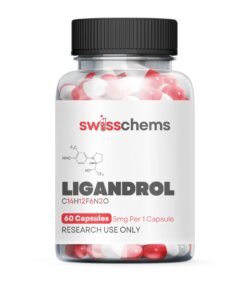
Commonly referenced compounds include names such as Ostarine (MK-2866), Ligandrol (LGD-4033), RAD-140, and Andarine (S-4). These compounds are often encountered in research literature and online discussions surrounding selective androgen receptor activity.
For anyone researching SARMs UK, selective androgen receptor modulators, or SARM research compounds, reliable product information and regulatory guidance should be considered before making decisions about use. Products described as “research use only” should not automatically be assumed to be safe or suitable for human consumption.
Professional medical advice is appropriate when considering substances that can affect hormonal or cardiovascular function. Consumers should also verify applicable UK requirements and seek guidance from a qualified healthcare professional where appropriate.

Sarms
Sarms
Sarms
Sarms
Sarms